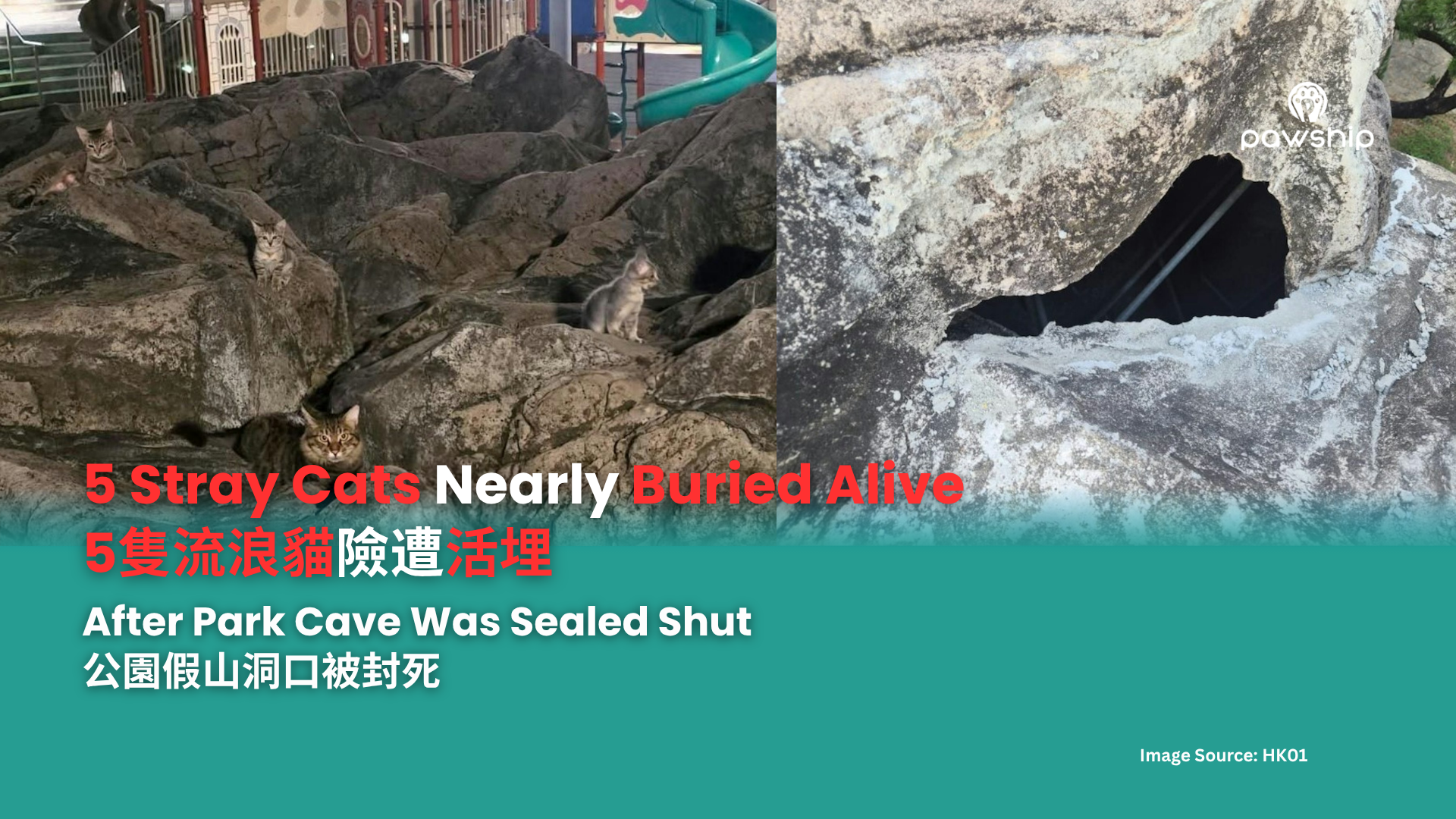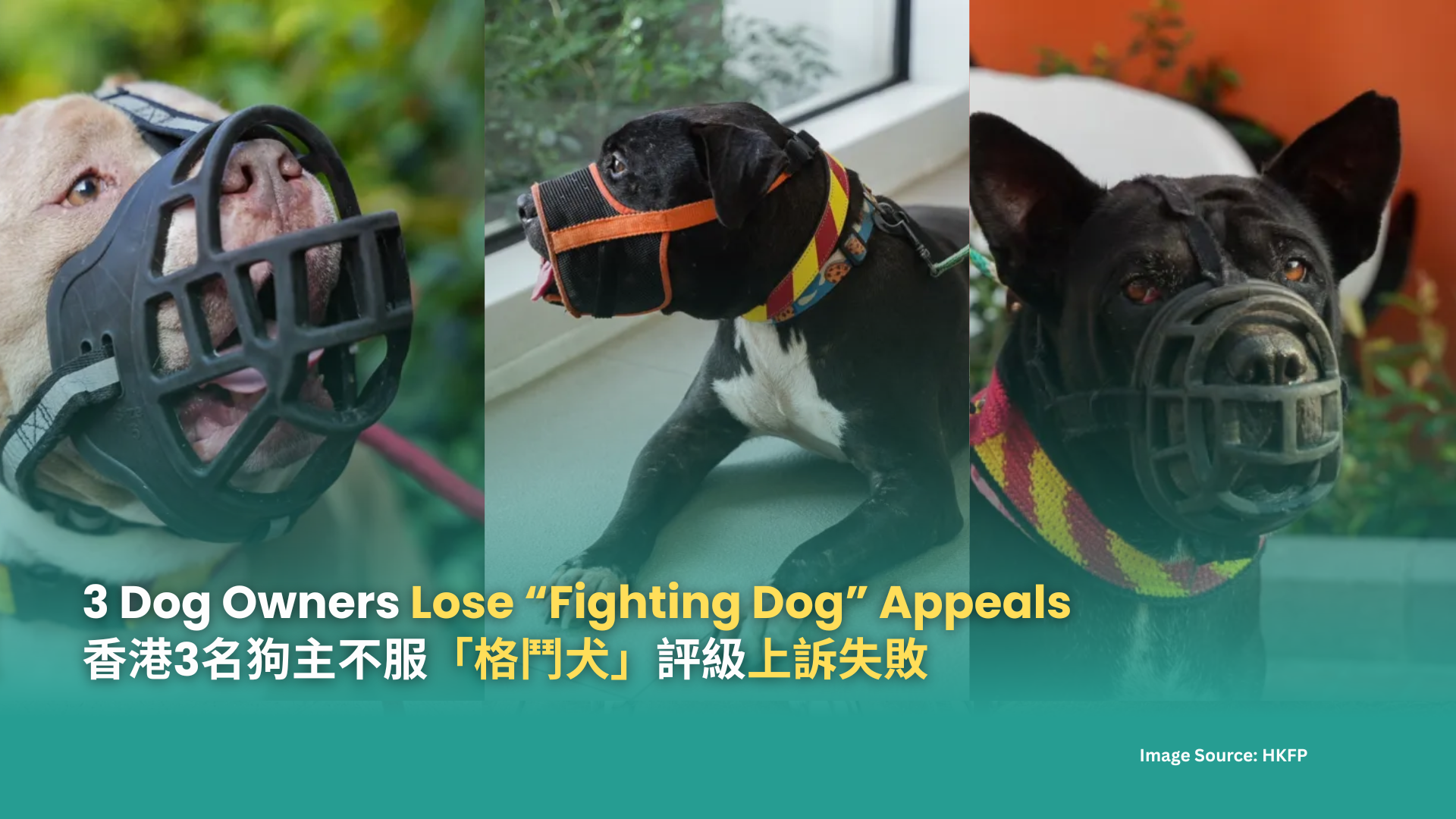
Recently, a female pet owner in Ningxia took to social media to report that 5 previously healthy kittens in her home had died suddenly within hours after she used a disinfectant marketed as “suitable for pet households” from brand Dettol to mop her floor. According to mainland Chinese media reports, the incident occurred on April 6 this year.
The owner, Ms. Chen, said that at around 5:00 PM that afternoon, she diluted the disinfectant according to the product instructions before mopping the floor. She ensured that the floor was fully dry before allowing the kittens to access the cleaned area. However, by approximately 11:00 PM that night, all 5 kittens were found dead. Their bodies were stiff and cold, with a small amount of discharge visible around their mouths.
Ms. Chen explained that her household previously only had adult cats, and she had used the same disinfectant in the past without any apparent issues. As the deaths involved only young kittens, she suspects that the product’s primary ingredient, benzalkonium chloride, may pose a risk to kittens whose metabolic systems are not yet fully developed, potentially leading to an inability to process the substance and resulting in fatal toxicity.
Following the incident, Ms. Chen contacted the product’s customer service and filed complaints through consumer complaint platforms. However, due to local veterinary hospitals being unable to conduct necropsies or toxicology testing on kittens, coupled with the fact that the bodies had already been kept for three days, she ultimately chose not to proceed with further legal action. Unwilling to subject the kittens to dissection, she withdrew from mediation procedures and stated that she did not seek compensation or an apology. Instead, her objective was to make the incident public and urge other pet owners to exercise caution when using cleaning or disinfectant products designed for pets.
Dettol subsequently responded to the allegations, highlighting the following points:
Product Safety Assessment
The company stated that the pet-specific disinfectant in question underwent rigorous safety assessments prior to its release. According to mainland hygiene safety assessment reports, its toxicity classification falls under “practically non-toxic.”
Pathological Features Inconsistent with Chemical Poisoning
Based on photos provided by Ms. Chen, Dettol representatives suggested that the moist discharge observed around the kittens’ mouths and noses more closely resembled regurgitated vomit refluxing through the oral and nasal cavities, rather than the excessive drooling typically associated with chemical irritation (which is usually concentrated around the corners of the mouth and chin, with the area around the nose remaining relatively dry).
No Evidence of Chemical Burns
The company further explained that severe benzalkonium chloride poisoning would typically result in visible redness, mucosal erosion, or chemical burns inside the oral cavity. Such signs were not observed in the photographs provided.
Cause of Death Cannot Be Determined
Dettol emphasized that sudden death in kittens can be caused by various factors, including viral or parasitic infections, congenital diseases, environmental changes, or stress responses. Without professional veterinary diagnostic records and a formal necropsy report, it is not possible to objectively determine the exact cause of death.
Differences Between Mainland and Hong Kong Products
It is worth noting that similar Dettol pet-related disinfectant products are also available in Hong Kong, with packaging that appears similar to the mainland version. However, ingredient labelling indicates that the formulations are not identical. Available information suggests that the Hong Kong versions emphasise the use of natural, plant-derived antibacterial ingredients and natural essential oils, and do not list benzalkonium chloride, which is the ingredient at the centre of the current controversy.