Calls to strengthen Hong Kong’s animal protection laws have once again taken centre stage—but meaningful legal change will not arrive all at once.
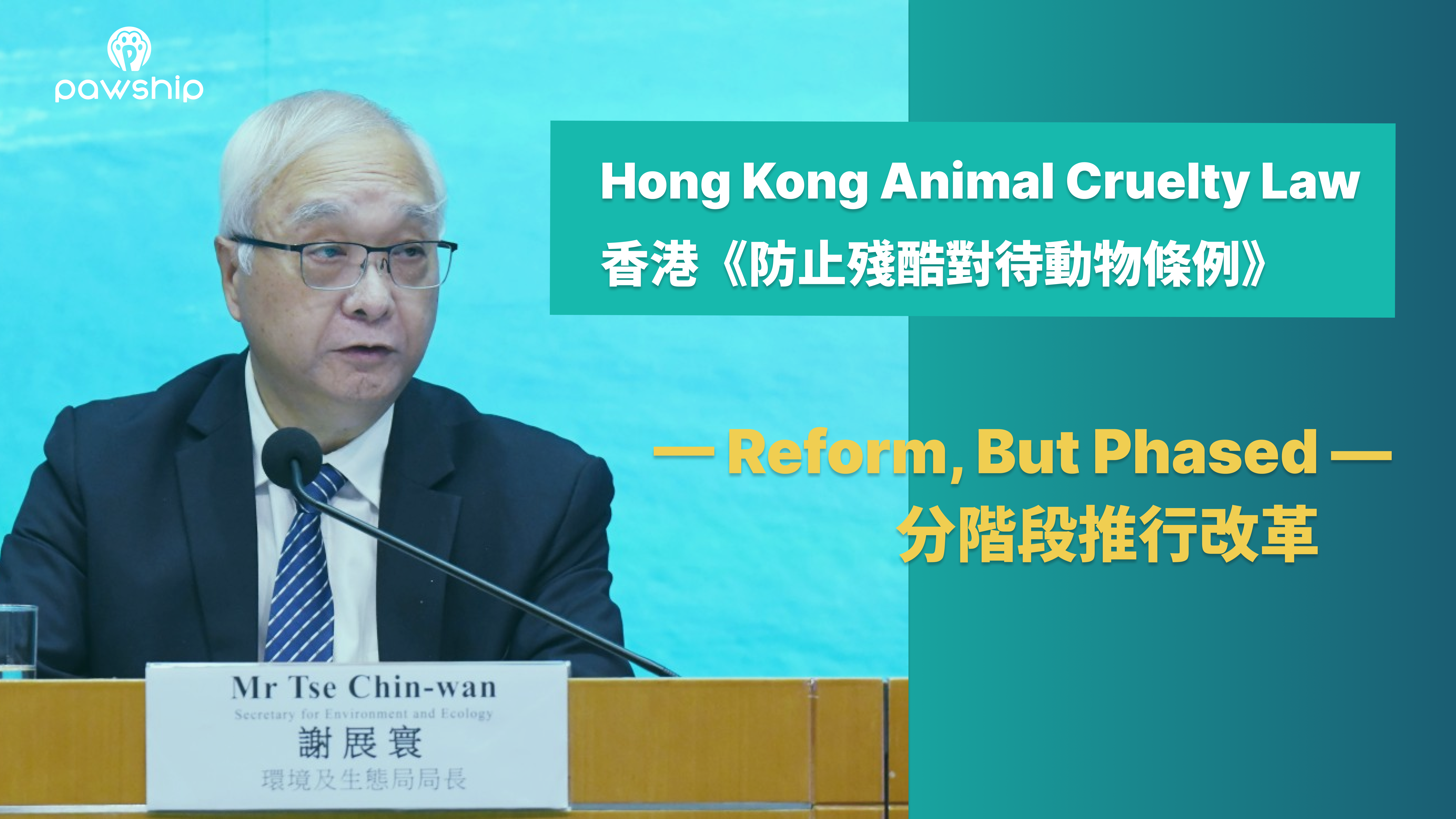
The Secretary for Environment and Ecology, Tse Chin-wan has confirmed that amendments to the city’s animal cruelty legislation will be rolled out gradually, citing divided opinion and practical concerns among different stakeholders, while animal welfare advocates see this as long‑overdue recognition of existing gaps.
Why Reform Is Back on the Agenda
Pressure to update the Prevention of Cruelty to Animals Ordinance has intensified following a recent investigation by the Office of the Ombudsman. The inquiry pointed to weaknesses in enforcement and coordination between government departments when handling cases of suspected animal cruelty.
In response, officials have acknowledged that current arrangements may not be sufficient to deter abuse or respond consistently to welfare concerns.
A Phased Approach
Despite widespread agreement that animal welfare matters, the government maintains that proposed reforms cannot be completed in one sweeping move. According to officials, society remains divided on key issues such as:
- How severe penalties for animal cruelty should be
- Whether enforcement agencies should be granted broader enforcement powers
- How new requirements could affect pet owners living in small or crowded homes
Some fear stricter rules could lead to pet abandonment, while concerns have also been raised over whether current penalties and enforcement are sufficient. With no clear consensus, authorities have opted for a phased reform process rather than an immediate overhaul.
How Enforcement Works Today
At present, animal cruelty cases are handled through a split system:
- Police act as first responders in urgent or emergency cases
- The Agriculture, Fisheries and Conservation Department (AFCD) handles non‑emergency cases, such as inadequate food supply to pets, typically reported via the “1823” hotline
Tse has stated that all recommendations from the Ombudsman’s investigation have been accepted and that improvements to enforcement practices are already underway.
Education as a Parallel Strategy
Legal reform is only one part of the government’s approach. A recent incident involving a mainland cat abuse group and local secondary school students has prompted enhanced cross‑departmental collaboration. Educational talks on animal welfare are already offered to schools each year by the AFCD, believing that enhanced promotion and education could increase animal welfare awareness.
What Comes Next
The next phase of work on animal protection reform is expected to be announced later this year, though no firm timetable has been set. For now, the government’s position is clear: change is coming, but incrementally.