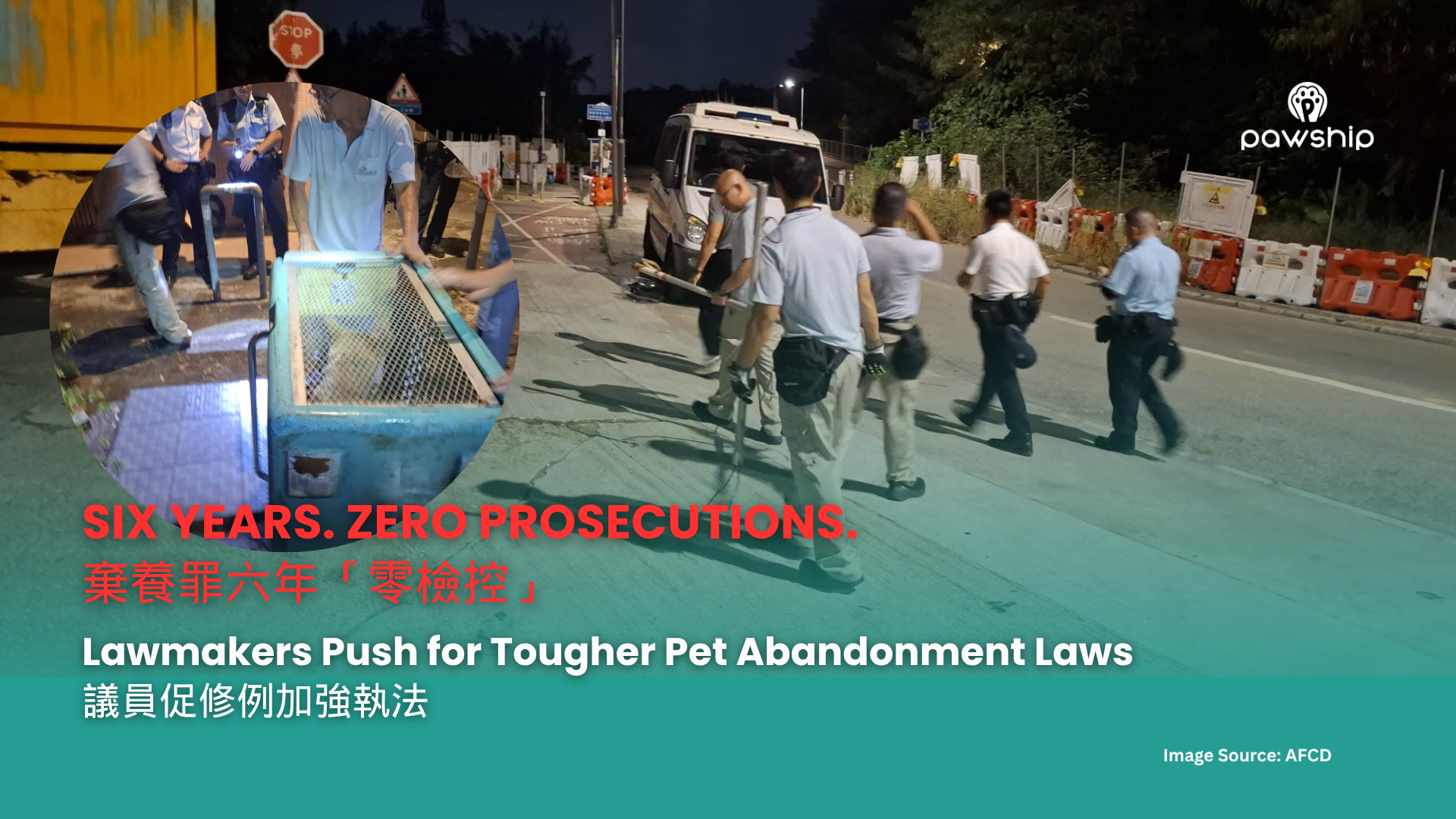
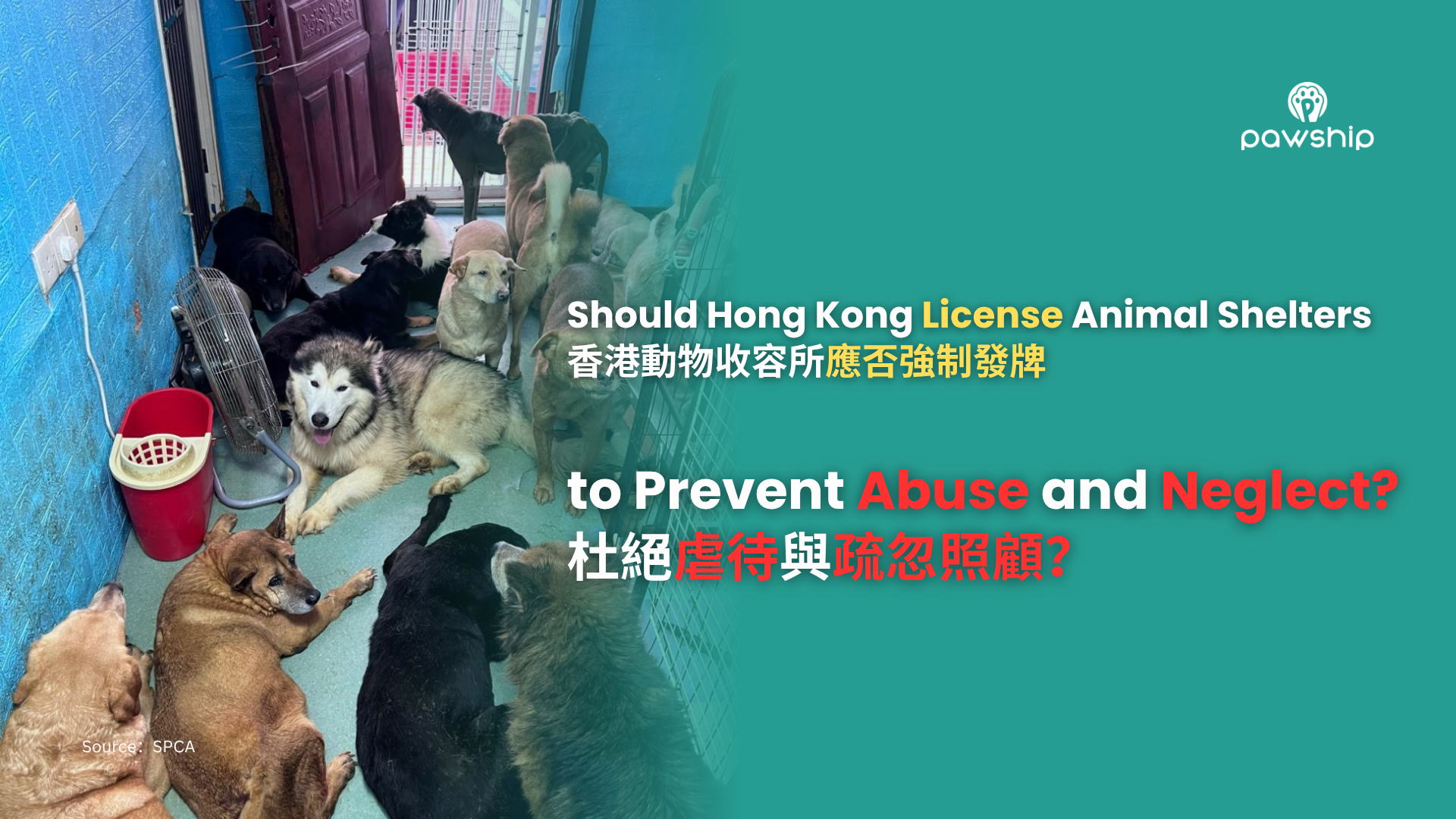
In recent years, Hong Kong has seen a number of controversies involving animal shelters, including allegations of neglect, overcrowding, and poor management. These incidents have sparked widespread public concern. One particularly high-profile case involved a dog shelter in Yuen Long, where authorities uncovered suspected animal mistreatment and inadequate care. Many dogs were found living in poor conditions, and some were believed to have suffered unnecessarily due to neglect. The incident once again prompted calls for reforms to Hong Kong’s animal welfare system, with several animal welfare groups urging the government to introduce a formal licensing and regulatory framework for animal shelters.
Growing Concern Over Shelter Management and Regulatory Gaps
Hong Kong is home to more than 70 privately operated animal shelters that play an important role in rescuing, caring for, and rehoming stray and abandoned animals. Most of these shelters rely heavily on volunteers and public donations to sustain their operations and make significant contributions to animal welfare.
However, incidents such as the Yuen Long dog shelter case have highlighted potential weakness in the current system. Following complaints, relevant departments conducted multiple inspections and reportedly identified concerns relating to the shelter conditions, animal care standards, and licensing compliance. This situation eventually escalated into a large-scale rescue and law enforcement operation, reigniting public discussion about the lack of effective oversight for animal shelters.
Beyond animal welfare concerns, questions have also been raised about financial transparency within some organisations. Experienced animal welfare volunteers have pointed out that certain groups use social media campaigns featuring injured animals to raise funds for medical treatment, while the public may have limited visibility into how funds are spent or how the shelters are managed. In some cases, concerns have been raised regarding unclear animal records, missing animals, or a lack of transparency in operational procedures. While these issues do not represent the entire animal welfare sector, they highlight the challenges posted by the absence of a unified regulatory and accountability framework.
Outdated Laws and Reactive Enforcement
Many animal welfare advocates argue that one of the biggest shortcomings of Hong Kong’s current system is that law enforcement often occurs only after a problem has become serious.
Hong Kong’s primary animal welfare legislation, the Prevention of Cruelty to Animals Ordinance (Cap. 169), was enacted in 1935. Its core remains the punishment of cruelty and abuse after they occur. In practice, enforcement authorities often need to demonstrate that an animal has suffered “unnecessary suffering” or has been subjected to cruelty before prosecution can proceed.
As a result, even when poor living conditions or an inadequate standard of care are identified, authorities may have limited ability to intervene at an early stage before animals experience significant harm.
Another major concern is the absence of a dedicated licensing system for animal shelters in Hong Kong. There are currently no universally applied operational standards governing areas such as maximum shelter capacity, staff-to-animal ratios, veterinary care requirements, housing and environmental standards etc.
Directions for Reform: Licensing and a Duty of Care Framework
In response to recent controversies, many animal welfare organisations have proposed reforms aimed at strengthening oversight and improving animal protection.
1. Establishing a Shelter Licensing System
A formal licensing system could introduce minimum operational standards for animal shelters, including requirements relating to:
- Living space for animals
- Ventilation and hygiene standards
- Access to veterinary care
- Minimum staffing levels
- Limits on the number of animals housed
- Management of mortality records
Regular inspections, including unannounced visits, could help ensure compliance with these standards.
Some advocacy groups have also suggested that individuals with a history of animal cruelty, illegal animal trafficking, or improper fundraising practices should face restrictions on operating or managing animal shelters.
2. Introducing a “Duty of Care” Requirement
In addition to licensing, the animal welfare advocates have increasingly called for the introduction of a “Duty of Care” framework in Hong Kong. Under such a system, animal caregivers would have a legally defined responsibility to ensure the welfare of animals under their care.
This would allow authorities to intervene earlier when basic welfare standards are not being met, even if severe abuse has not yet occurred. Enforcement agencies could require improvements or initiate legal action before animals suffer significant harm.
Advocates argue that this approach would shift the focus of animal welfare enforcement from reacting to abuse after the fact to preventing suffering before it occurs.
3. Supporting Compliant Shelters
Many welfare organisations emphasise that regulation should be accompanied by practical support.
Animal shelters often face significant financial pressures, including rising rents, veterinary expenses, and daily operating costs. To help responsible shelters comply with new regulatory requirements, some groups have proposed waiving licensing fees for charities recognised under Section 88 of the Inland Revenue Ordinance, as well as providing operational support or subsidies to well-managed shelters.
Building a Stronger Animal Welfare System
Animal shelters should serve as safe havens for stray, abandoned, and vulnerable animals—not become grey areas where welfare concerns go unnoticed due to inadequate oversight.
Recent controversies have highlighted clear gaps in Hong Kong’s animal welfare framework. Establishing a shelter licensing system, introducing a legally enforceable Duty of Care, and modernising animal welfare legislation could significantly improve transparency, accountability, and animal protection standards.
More importantly, these reforms would shift the focus from responding to harm after it occurs to preventing suffering before it happens—helping ensure that animals do not become victims of an outdated system.